Buying a home in Miller Place can feel exciting and a little intimidating at the same time. You may be wondering how competitive the market is, what kinds of homes are common here, and which inspection issues deserve extra attention before you commit. The good news is that with the right preparation, you can move forward with more confidence and fewer surprises. Let’s dive in.
Miller Place Market Basics
Miller Place is an established Suffolk County community with 11,723 residents and a notably high 82.7% owner-occupied housing rate, according to U.S. Census QuickFacts. Census data also shows a median owner-occupied home value of $614,400 and 94.4% of residents living in the same home one year earlier. In practical terms, that points to a market where many homeowners stay put, which can limit turnover and keep inventory tight.
That stability can be a positive if you are looking for a community with a more established feel. It also means you may need to be ready when the right home comes on the market. In a lower-turnover area, preparation often matters just as much as budget.
What Homes in Miller Place Look Like
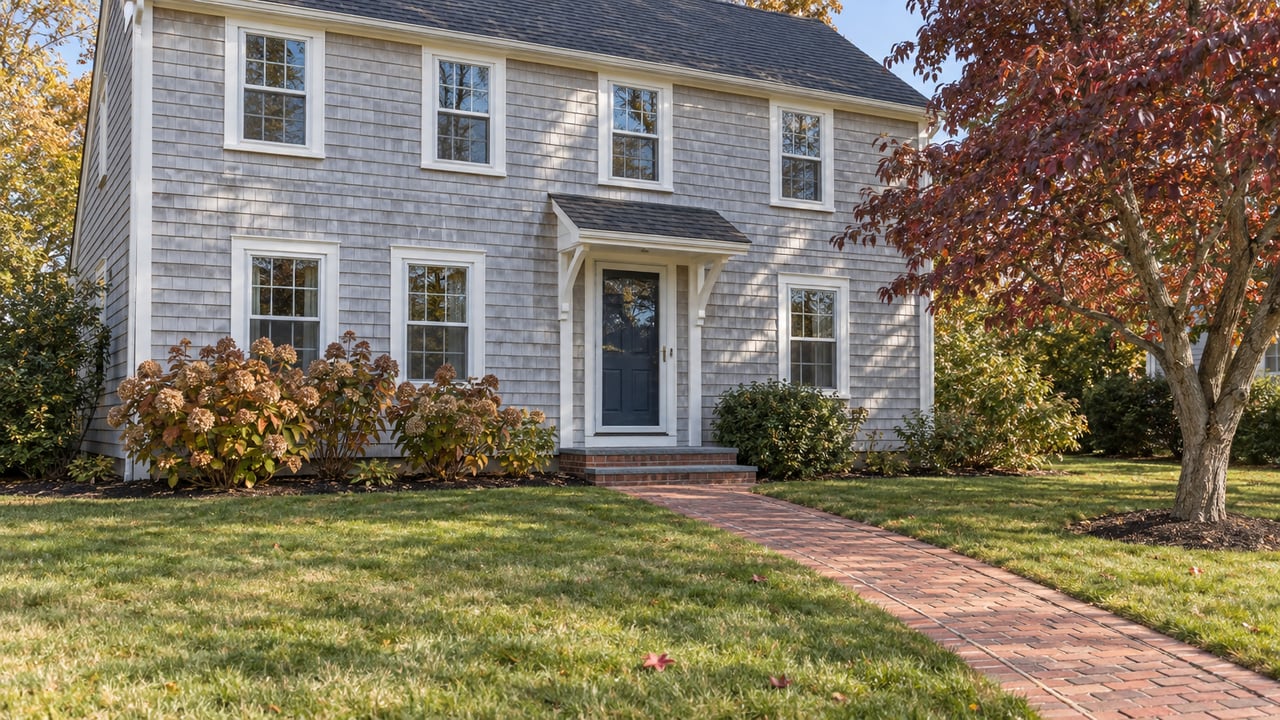
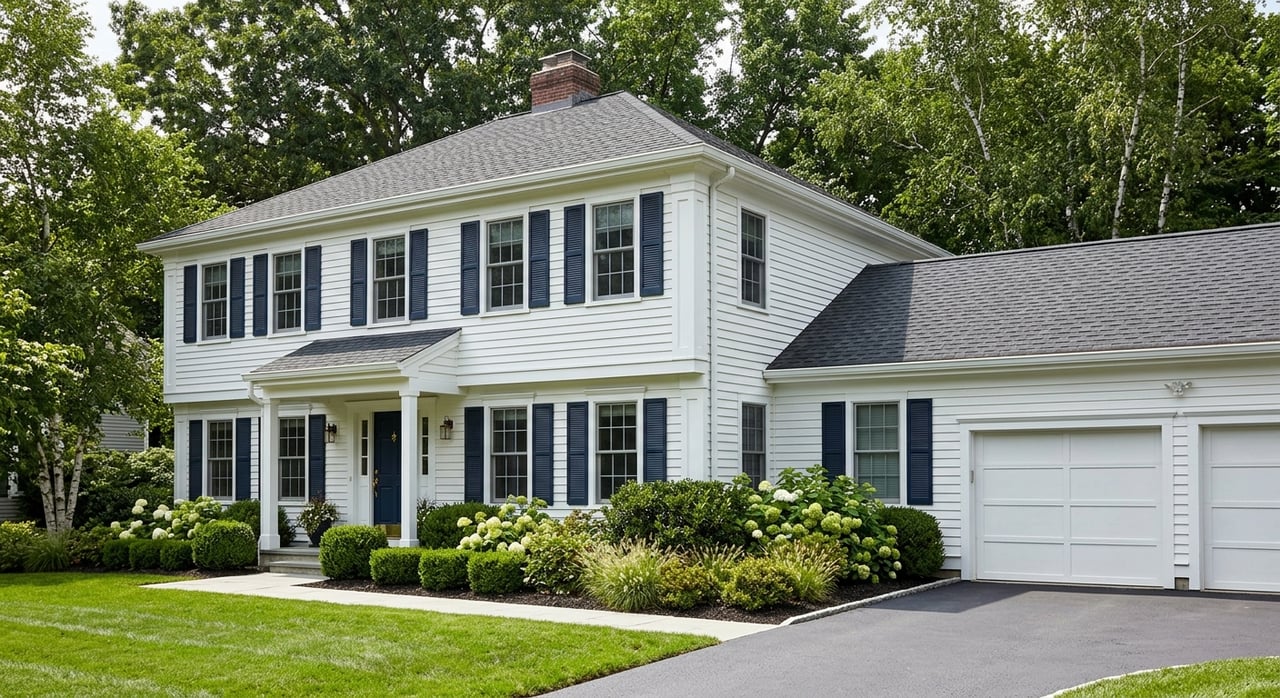
If you are picturing mostly new construction, Miller Place may surprise you. Housing data shows 4,370 housing units, with 86.1% detached single-family homes and a median construction year of 1977, based on ACS-based housing summaries. The largest groups of homes were built in the 1970s, 1990s, and 2000s.
That matters because your home search will likely focus on resale properties, not brand-new builds. Many homes may have older roofs, windows, heating systems, electrical updates, or plumbing components that need careful review during due diligence. Even a beautifully maintained home can have age-related systems worth evaluating closely.
Only a small share of local homes were built before 1940, but some areas do include older and historically recognized properties. The Town of Brookhaven identifies the William Miller House as the oldest house in Miller Place and also publishes a Miller Place Historic District map. If you are considering exterior renovations, additions, or major facade changes, it is smart to confirm whether a property is inside or near a preservation-sensitive area before assuming you have full design flexibility.
Why Local Due Diligence Matters
In Miller Place, buying smart is not only about price and square footage. It is also about understanding how the property functions and how the lot interacts with local conditions. A home can check every box on paper and still come with maintenance or infrastructure issues that deserve a closer look.
This is where a careful, local approach helps. You want to look beyond finishes and ask the right questions about systems, drainage, and any property-specific constraints before you move too far down the road.
Check Septic and Cesspool Systems
One of the biggest surprises for many buyers on Long Island is how common septic and cesspool systems still are. Suffolk County says roughly 74% of county residents rely on antiquated cesspools or septic systems, and conventional systems often include a septic tank and leaching structure, according to the county’s Septic Improvement Program FAQs.
If a Miller Place home is not connected to sewer, you will want to ask about:
- System age
- Pumping history
- Any prior backups or trouble
- Slow drains or odors
- Records of repairs or replacements
Suffolk County also notes that some existing residences on septic or cesspool systems may qualify for improvement program help, though permits or local approvals may still be needed for certain work. That does not mean every system is a problem, but it does mean you should treat wastewater infrastructure as a major part of your inspection and budgeting process.
Inspect Oil Tank Risks Carefully
Another issue that comes up often on Long Island is heating fuel-oil tanks. The New York State Department of Environmental Conservation recommends annual tank inspections and warns buyers and homeowners to watch for signs like rust, wet spots, blocked vents, oil odors, water in underground tanks, and oil sheen in basement sumps or French drains.
This is more than a maintenance item. NYSDEC also warns that oil tank spills can contaminate groundwater and are rarely covered by homeowner’s insurance. If a property has or previously had an above-ground or underground oil tank, you should make sure your inspection and attorney review address that history clearly.
Pay Attention to Drainage and Flood Risk
Drainage is another important part of buying in Miller Place. The Town of Brookhaven said its North Country Road drainage project included more than 3,000 linear feet of drainage pipe and 14 drainage basins to address significant water problems along that corridor.
That does not mean every home in Miller Place has a drainage issue. It does mean buyers should pay close attention to signs of water management concerns, especially on low-lying lots or properties near older road corridors. During your showing and inspection process, take a closer look at:
- Basement moisture or staining
- Yard grading
- Sump pump systems
- Downspout drainage paths
- Standing water after rain
For flood-risk verification, FEMA says the official step is to search the address in the Flood Map Service Center. That check can help you better understand flood-zone status and possible insurance implications before you finalize your purchase.
Expect a Competitive Buying Environment
If Miller Place feels competitive, the public market data supports that impression. According to Redfin’s Miller Place housing market data, the median sale price was $937K in March 2026, homes averaged 26 days on market, the sale-to-list ratio was 99.9%, and 40% of homes sold above list price.
While exact numbers can vary by source and time period, the overall trend is consistent. The research points to a market with limited supply and steady competition. In that kind of environment, buyers usually benefit from being organized, decisive, and realistic about what a strong offer looks like.
Build a Strong Offer Without Losing Protection
In a fast-moving market, it can be tempting to strip protections out of your offer. That may sound like a shortcut to winning, but it can also increase your risk. A better strategy is to make your offer clean, well-prepared, and easy for the seller to trust.
The New York State Attorney General advises buyers to have their own attorney review contracts and loan documents, avoid signing under pressure, and negotiate inspection rights that allow cancellation if you are not satisfied. The Consumer Financial Protection Bureau also recommends making your offer contingent on financing and a satisfactory inspection, then scheduling the inspection as soon as possible.
A competitive but sensible offer often includes:
- A current mortgage preapproval
- Clear financing terms
- A realistic inspection window
- An attorney ready to review quickly
- A closing timeline the seller can count on
In Miller Place, where supply appears tight, shortening timelines may help your offer feel stronger. Still, waiving core protections should be the exception, not the starting point.
Questions to Ask Before You Buy
As you narrow your options, keep a checklist of practical questions. This can help you compare homes more clearly and avoid relying only on finishes or staging.
Ask about:
- The age and condition of the roof, heating, and cooling systems
- Whether the home uses septic or cesspool infrastructure
- Any known drainage or water intrusion history
- Current or past oil tank use
- Whether the property is near a historic district area
- Any recent upgrades with permits or approvals
These questions will not replace an inspection, but they can help you spot red flags early. They also make it easier to decide when a home is worth pursuing aggressively and when it may require more caution.
How to Buy With More Confidence
The Miller Place market offers a lot to like, including a stable homeowner base, a strong supply of detached single-family homes, and a sense of long-term ownership. At the same time, many homes here were built decades ago, so buyers should be ready to evaluate systems and site conditions carefully. The most successful purchases usually come from a mix of preparation, strong local guidance, and smart due diligence.
If you are thinking about buying in Miller Place, working with a team that values communication and preparation can make the process feel much more manageable. When you are ready to talk through timing, strategy, or what to watch for in a specific home, connect with Keith Dawson for trusted Long Island guidance.
FAQs
What should buyers know about home age in Miller Place?
- Most homes in Miller Place are not new construction. Housing data shows a median construction year of 1977, so you should expect to review the condition of major systems and updates carefully.
What inspection issues matter most when buying a home in Miller Place?
- Septic or cesspool systems, oil tanks, drainage conditions, basement moisture, and flood-risk questions are all important items to investigate during your inspection period.
Is Miller Place a competitive housing market for buyers?
- Yes. Public market snapshots in the research report point to limited supply, relatively fast days on market, and a meaningful share of homes selling at or above list price.
Should buyers check for historic district concerns in Miller Place?
- Yes. If you may want to renovate or make exterior changes, confirm whether the property is in or near a historically recognized area before assuming there are no additional considerations.
How can buyers make a strong offer in Miller Place without taking on too much risk?
- A current preapproval, clear financing terms, a solid inspection window, fast attorney review, and a dependable closing timeline can help you stay competitive while keeping key protections in place.